Affording Your Dentures in Delaware
Missing teeth can affect more than your smile—they impact your confidence, nutrition, speech, and long-term oral health. Modern dentures offer comfortable, natural-looking solutions that restore your ability to eat, speak, and smile with ease.
At Brown and Baran Family Dentistry, Dr. Paul Brown and Dr. Chris Baran believe in transparent pricing and personalized treatment planning. If you’re wondering, “How much do dentures cost near Wilmington or Seaford in 2026?”—this updated guide covers everything you need to know, including pricing ranges, insurance coverage, and flexible payment options.
Call our Wilmington dental office at (302) 999-7600 or our Seaford dental office at (302) 536-7589 to schedule your personalized consultation.

How Much Do Dentures Cost in Delaware?
Denture pricing depends on materials, customization, lab quality, and whether additional procedures are needed. Below are updated 2026 average cost ranges for Wilmington, Seaford, and surrounding Delaware communities.
Traditional Full Dentures (Per Arch)
- Economy Dentures: $800 to $1,500
- Standard Dentures: $1,500 to $3,000
- Premium Dentures: $3,000 to $5,500
- Complete Full Dentures (Both Arches): $1,600 to $11,000
Premium options now commonly include enhanced esthetics, stronger acrylic bases, improved bite alignment, and more lifelike tooth shading.
Partial Dentures
- Acrylic Resin Partials: $1,500 to $3,500
- Composite Resin Partials: $1,800 to $3,800
- Metal Framework Partials: $2,000 to $4,800
Metal framework partials continue to be a popular long-term solution due to durability and stability.
Implant-Supported Dentures
Implant-supported dentures provide significantly improved stability and chewing strength compared to traditional removable dentures.
- Snap-In Dentures (2–4 implants): $4,000 to $14,000 per arch
- All-on-4® Implant Dentures: $18,000 to $32,000 per arch
- Single Dental Implant: $2,000 to $3,500 per implant
Implant-supported options often eliminate the need for adhesives and help preserve jawbone health long-term.
Note: These prices reflect current market rates in Delaware and may vary based on your specific dental needs, the quality of materials, and any additional procedures required.
What Factors Affect the Cost of Dentures Near You?
Several key factors influence the overall cost of dentures, helping you understand why prices can vary significantly:
Types of Dentures and Their Impact on Cost
- Full Dentures vs. Partial Dentures: Full dentures replace all teeth in the upper jaw, lower jaw, or both, while partial dentures replace one or more missing teeth. Full dentures generally require more extensive treatment and thus cost more.
- Removable Dentures vs. Fixed Dentures: Traditional removable dentures are more affordable upfront, but may require adhesives and more maintenance. Fixed dentures, such as implant-supported options, provide superior stability and a natural feel but involve a higher initial investment.
- Premium vs. Standard Options: Premium dentures use advanced materials and technology to offer better aesthetics, comfort, and durability, often improving your oral health and quality of life over time.
Material Quality and Denture Construction
- Acrylic Resin: The most common and budget-friendly material, though it may wear faster and require repairs.
- Porcelain: Offers the most natural appearance and durability, but is heavier and more expensive.
- Composite Resin: Balances durability and aesthetics at a moderate price point.
- Flexible Polymers: Premium materials that provide superior comfort and fit, ideal for sensitive soft tissue, but come at a higher cost.
Additional Dental Procedures That Influence Cost
Sometimes, additional treatments are necessary to ensure the success and longevity of your dentures, which can affect the total fee:
- Tooth extractions: $150 to $400 per tooth, often required for damaged or decayed teeth before denture placement.
- Bone grafting: $300 to $3,000, depending on the complexity, to rebuild the jawbone for implant support.
- Oral surgery: Costs vary based on individual needs, such as implant placement or soft tissue treatment.
- Treatment for gum disease: Essential for healthy gums and proper denture fit, impacting overall oral hygiene and denture success.
Geographic Location and Dentist Experience
Dental fees can differ between urban centers like Wilmington and smaller communities such as Seaford. Experienced dentists with advanced training in cosmetic dentistry and implantology may charge higher fees but often deliver superior results, reducing complications and improving your smile’s longevity.
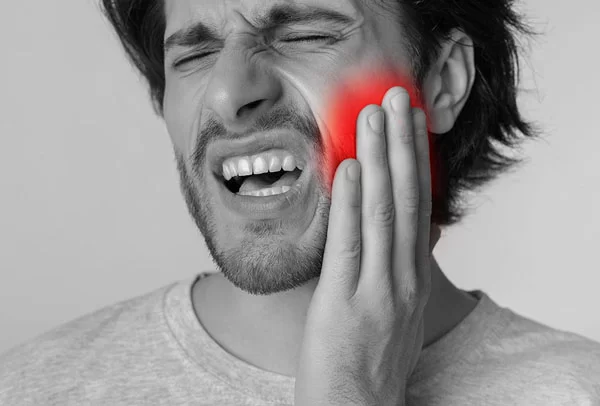
The Real Cost of Doing Nothing: Dentures vs. Untreated Tooth Loss
When comparing denture costs, it’s also important to consider the long-term cost of not replacing missing teeth.
What Happens If You Don’t Replace Missing Teeth?
- Jawbone Shrinkage (Bone Loss): When teeth are missing, the jawbone no longer receives stimulation. Over time, this can lead to significant bone loss, making future treatment more complex and expensive.
- Facial Collapse and Premature Aging: Bone loss can cause your cheeks to sink inward, leading to wrinkles around the mouth and a prematurely aged appearance.
- Shifting Teeth and Bite Problems: Remaining teeth may shift out of alignment, leading to uneven wear, jaw pain, increased risk of tooth fracture, and TMJ discomfort.
- Limited Food Choices and Digestive Issues: Missing teeth reduce chewing efficiency, which can limit your diet and affect overall nutrition.
- Higher Future Costs: Delaying treatment may require bone grafting, more implants, or extensive restorative dentistry.
In many cases, replacing missing teeth sooner can actually reduce long-term dental expenses while protecting your oral health and facial structure. Dentures—especially implant-supported options—help preserve your smile, support your jawbone, and restore your confidence.
Dental Insurance and Denture Coverage
Understanding your dental insurance and health insurance options is crucial to managing denture costs. Most plans cover a portion of denture fees, but coverage varies:
- Coverage Levels: Basic dental insurance often covers economy dentures, while comprehensive plans may include partial coverage for premium dentures and implant-supported options.
- Annual Maximums: Most dental insurance plans have annual maximums between $1,000 and $2,500. Costs exceeding this amount are your responsibility.
- Waiting Periods: Many policies require a 6-12 month waiting period before covering major procedures like dentures.
- In-Network vs. Out-of-Network: Choosing a dentist near you who participates in your insurance network can significantly reduce your out-of-pocket expenses.
- Preauthorization: Some insurance companies require approval before treatment begins.
For patients with Medicare Advantage or Medicaid, coverage for dentures varies widely. It’s important to verify your plan’s benefits and limitations with your provider.
Maximizing Your Dental Insurance Benefits
- Schedule denture treatment early in the calendar year to maximize your annual benefits.
- Understand your plan’s specific denture coverage and limitations.
- Ask your dentist about splitting treatment across benefit years for expensive procedures.

Financing Options and Manageable Payment Solutions
Dental Payment Plans and In-House Financing
Many dental offices in Wilmington and Seaford offer flexible payment options to make dentures more accessible:
- In-House Payment Plans: Interest-free or low-interest plans that allow you to spread payments over 6 to 24 months, easing the financial burden.
- Third-Party Financing: Companies like CareCredit specialize in dental financing, often with promotional interest-free periods for qualified patients.
Health Savings Accounts and Flexible Spending Accounts
- Health Savings Account (HSA): Use pre-tax dollars to pay for dentures and related dental services, reducing your overall cost.
- Flexible Spending Account (FSA): Set aside pre-tax income specifically for dental expenses, including dentures, crowns, and repairs.
Dental Discount Plans
As an alternative to traditional insurance, dental discount plans offer reduced fees at participating dental clinics, potentially saving you 10-60% on denture costs and other dental services.
Community Resources and Affordable Options
- Dental Schools: Dental programs often provide reduced-cost services performed by supervised students, offering quality care at a lower price.
- Community Health Centers: Federally Qualified Health Centers (FQHCs) offer sliding-scale fees based on income, improving accessibility for patients with limited budgets.
Frequently Asked Questions
To find affordable dentures near you:
- Request quotes from multiple dental offices in Wilmington and Seaford.
- Ask about financing options, payment plans, and dental discount programs.
- Verify if your dentist participates in your dental insurance network.
- Consider partial dentures if you only need to replace some teeth.
- Explore implant-supported dentures for a long-term investment in your smile and oral health.
Denture costs in Delaware generally align with the national average. Nationally, prices range from $452 for low-cost options to $6,514 for premium dentures. In Delaware, prices typically range from $600 to $4,500 per arch, depending on the type, materials, and additional treatments.
Yes, most dental practices in Wilmington and Seaford provide flexible payment options, including in-house payment plans, third-party financing through companies like CareCredit, and acceptance of HSA/FSA payments. Many offices offer interest-free plans for qualified patients to make denture treatment more affordable.
Yes, several affordable options exist in Delaware:
- Community health centers with sliding-scale fees based on income.
- Dental schools offer supervised student services at reduced costs.
- Participation in dental discount plans can lower fees.
- Financing options that make premium dentures accessible with manageable monthly payments.
Take the Next Step: Schedule Your Denture Consultation Near You Today!
Understanding the cost and options for dentures empowers you to make the best decision for your oral health, smile, and budget. Whether you’re considering traditional dentures, partial dentures, or implant-supported solutions, professional guidance is essential to achieve optimal results and restore your confidence.
At Brown and Baran Family Dentistry, our skilled dental team combines years of experience with the latest denture technology to provide exceptional dental services throughout Wilmington, Seaford, and the surrounding Delaware communities. We accept various dental insurance plans and offer manageable payment solutions to make quality dentures accessible for every patient.
Ready to enhance your smile and improve your quality of life? Contact our Wilmington office at (302) 999-7600 or our Seaford office at (302) 536-7589 to schedule your consultation. Let us help you regain your smile, confidence, and oral health with personalized denture solutions tailored to your lifestyle and budget.